iPhone vs Android: Which Phone Should You Buy in 2026?
iPhone vs Android compared: camera, battery, price, updates, privacy and gaming. See which phone wins and find the best choice for you.
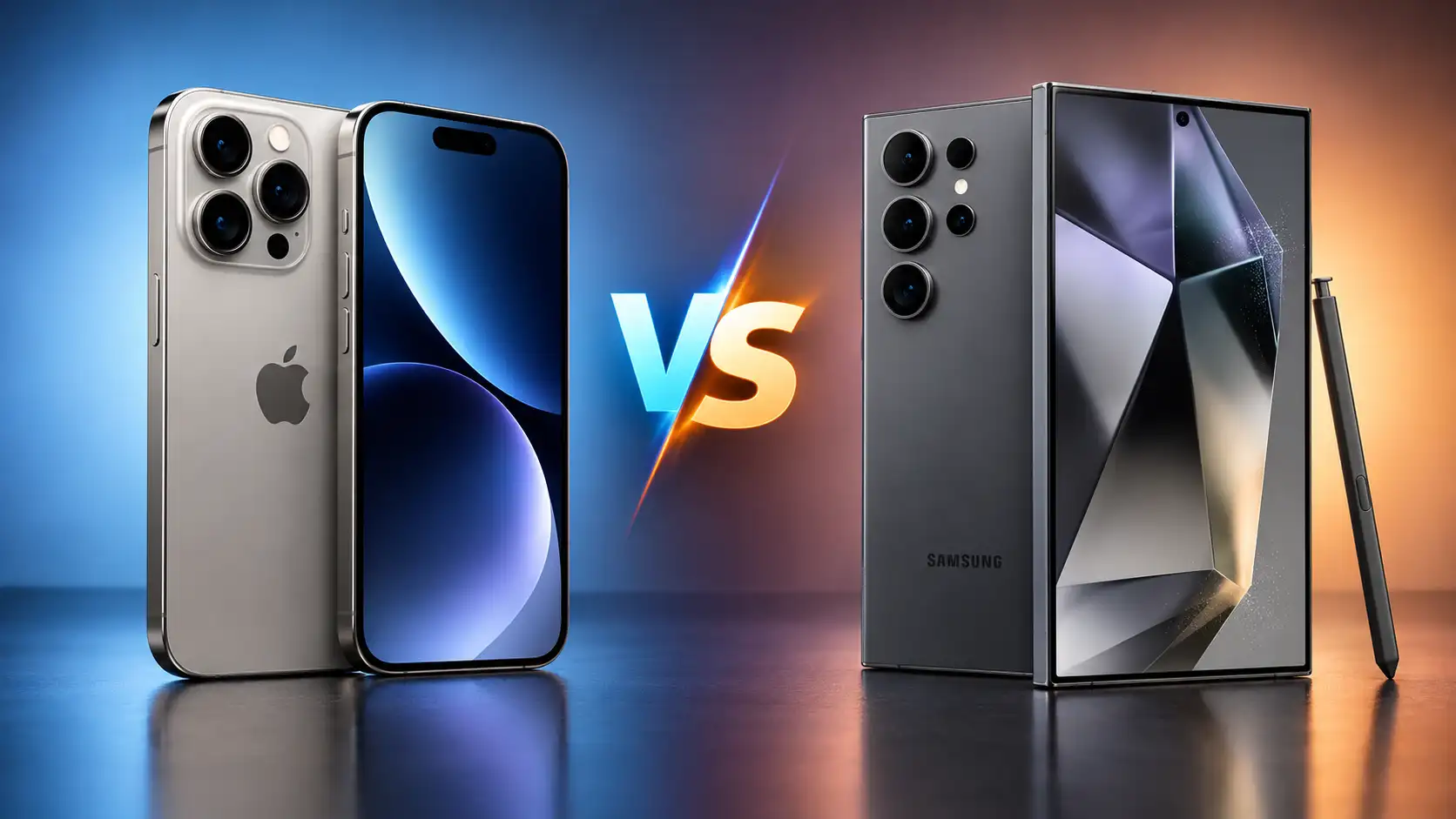
iPhone vs Android: Which Phone Should You Buy in 2026?
The iPhone vs Android debate has been running for over a decade, and in 2026 it is still the first question most buyers ask. Both sides now make excellent phones, so the real question is which one fits your life, your budget and your habits.
This guide compares iPhone and Android in plain language. We look at design, camera, battery life, performance, software updates, privacy, price, gaming and resale value, with tables and clear winners, so you can decide quickly and confidently.
Table of Contents
iPhone vs Android: Quick Comparison
| Feature | iPhone | Android |
|---|---|---|
| Maker | Apple only | Samsung, Google, Xiaomi, OnePlus and more |
| Operating system | iOS | Android |
| Number of models | A few each year | Hundreds across every budget |
| Customization | Limited but improving | Very high |
| Ease of use | Very simple | Simple to advanced |
| Price range | Mid to premium | Budget to ultra-premium |
| Updates | Same day for all supported models | Fast on Pixel and Samsung, varies on others |
| Charging speed | Moderate | Often much faster |
| Resale value | Excellent | Good on flagships, lower on budget models |
| Best for | Simplicity, ecosystem, resale | Choice, value, flexibility |
If you only have a minute, here is the short version. iPhone is the easy, polished and long-lasting choice. Android is the flexible, varied and often better-value choice.
Design and Build Quality
Apple makes only a few phones per year, so every iPhone feels carefully designed. Premium models use titanium or aluminum frames and high-quality glass, and the whole lineup shares a clean, consistent look. The iPhone Air even pushed the idea of an ultra-thin design.
Android offers far more variety. Samsung, Google, OnePlus and others make phones in every size, color and shape, from compact models to large flagships and foldables. Premium Android phones match the iPhone in build quality, though cheaper ones may use more plastic.
Winner: Tie. iPhone for consistency, Android for variety.
Software and Ease of Use
iOS is known for being simple. Everything is in a predictable place, and the experience stays the same on every iPhone. That is why parents, kids and first-time smartphone users often prefer it. iOS has also been getting more flexible, with better widgets, lock screen options and a refined Liquid Glass look.
Android gives you more control. You can change launchers, use different icon packs, set default apps, pick your own keyboard and customize system settings in detail. The latest Android 17 also adds deeper Gemini AI features and smoother switching between devices.
Winner: iPhone for beginners. Android for people who like to tweak.
iPhone vs Android Camera
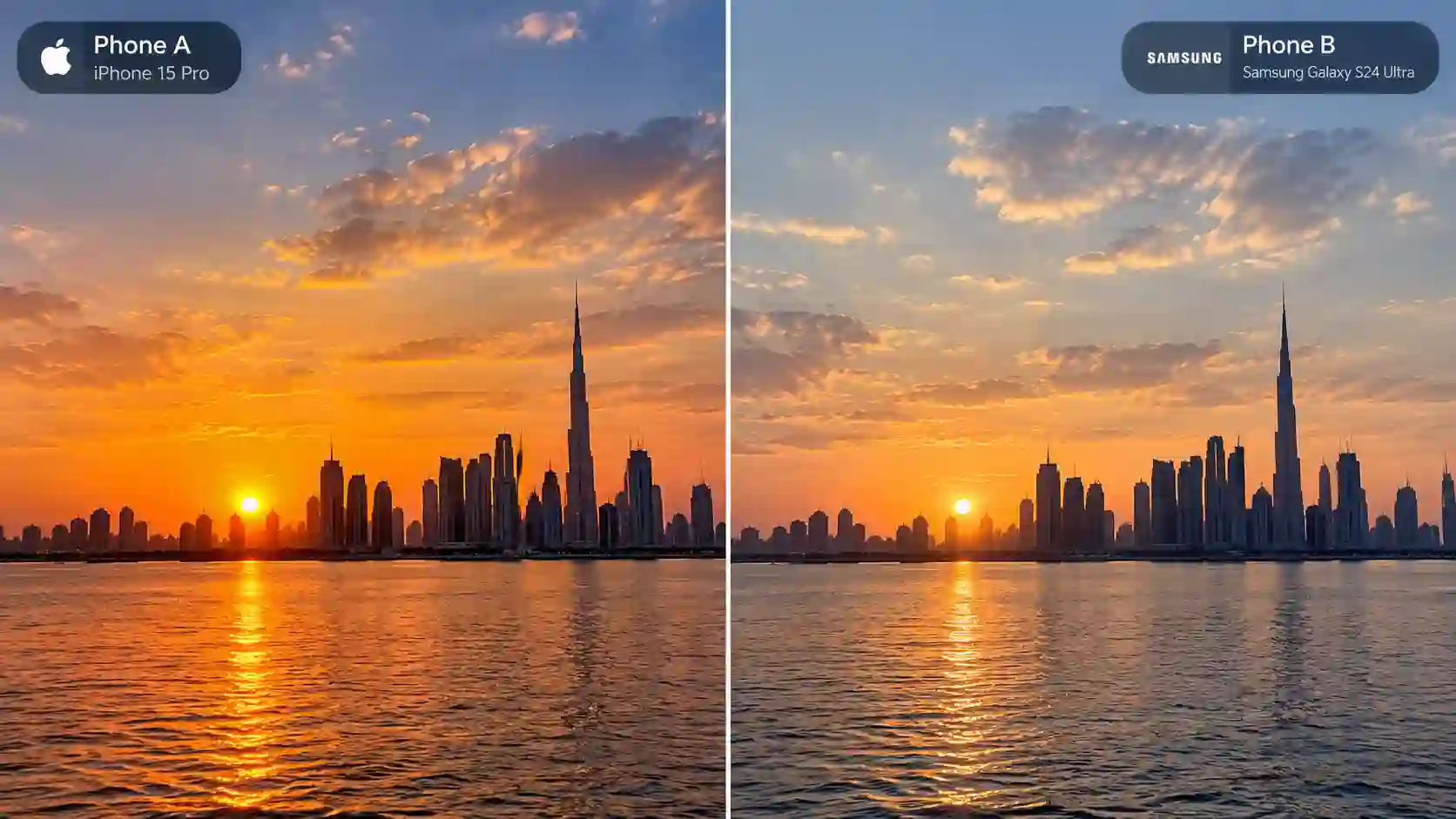
Camera quality is one of the top reasons people choose a phone, and the gap has never been smaller.
iPhone strengths:
- Excellent video quality, still a benchmark for creators
- Natural, consistent colors across photos
- Reliable performance in almost any situation
- Great for social media, because content looks the same on every platform
Android strengths:
- Strong zoom, with some flagships offering impressive long-range lenses
- Powerful AI editing tools, such as object removal and smart enhancements
- More variety, including 200 MP sensors and different lens setups
- Google Pixel phones are known for excellent computational photography
| Camera factor | iPhone | Android |
|---|---|---|
| Video recording | Excellent | Very good to excellent |
| Photo style | Natural, balanced | Often brighter, more processed |
| Zoom | Good | Often better on top models |
| AI editing | Good | Very strong |
| Consistency | Very high | Varies by brand |
Winner: iPhone for video. Android for zoom and AI editing tools.
iPhone vs Android Battery Life and Charging
Battery life depends on the specific phone, but there are clear patterns.
iPhones are well optimized, so they often deliver good battery life even with smaller batteries. Charging is improving, but it is generally slower than on many Android phones.
Android flagships often carry bigger batteries and support much faster wired charging. Many also offer reverse wireless charging, which lets you charge earbuds or a watch from the back of your phone. Some Chinese brands offer extremely fast charging that fills a battery in a short time.
| Battery factor | iPhone | Android |
|---|---|---|
| Optimization | Excellent | Good to very good |
| Battery size | Moderate | Often larger |
| Charging speed | Moderate | Often faster |
| Reverse charging | Limited | Common on flagships |
Winner: Android for charging speed and battery size. iPhone for efficiency.
Performance and Gaming
Apple designs its own chips and its own software, and that combination keeps iPhones fast and smooth for years. Apps open quickly and games run consistently, with new titles often launching on iOS first.
Android flagships use powerful Snapdragon, Tensor and Dimensity chips, and the best of them rival or beat the iPhone in raw speed. Gaming phones add extra features like built-in cooling, high refresh rates and shoulder triggers. The downside is that performance varies a lot between brands and price points.
Winner: iPhone for consistent smoothness. Android for gaming-focused features and choice.
Software Updates and Support
Software support is where Android has caught up the most.
- iPhone: Every supported model gets the latest iOS update on the same day, and iPhones typically stay supported for many years.
- Android: Google Pixel and recent Samsung flagships promise up to seven years of updates. Mid-range and budget Android phones often receive far less.
Tip: If long-term updates matter to you, check the manufacturer’s update promise before buying any Android phone.
Winner: iPhone for consistency. Android flagships now match it.
Privacy and Security
Apple has built a strong reputation around privacy. iOS controls app permissions tightly, reviews apps carefully, and limits tracking. It is secure out of the box with very little setup.
Android has improved significantly. It offers a privacy dashboard, one-time permissions, regular security patches and built-in malware scanning through Google Play Protect. Because Android is more open, you have more freedom but also more responsibility. Installing apps from unknown sources is the main risk.
Messaging between the two platforms has also improved, since encrypted RCS messaging between iPhone and Android is now supported with recent iOS updates.
Winner: iPhone for simplicity. Android is equally secure if you follow safe habits.
Price and Value for Money
This is the clearest difference in the iPhone vs Android price debate.
| Budget level | iPhone | Android |
|---|---|---|
| Budget | Few or no options | Many strong options |
| Mid-range | Limited | Excellent choice |
| Flagship | Premium pricing | Similar pricing |
| Ultra-premium and foldables | Rare | Many models |
Android gives you far more choice at every price point. You can get a fast, good-looking phone for a fraction of the price of an iPhone. At the flagship level, prices are similar, so the decision depends more on features than on cost.
Winner: Android, especially for budget and mid-range buyers.
Ecosystem and Accessories
If you already use a Mac, iPad, Apple Watch or AirPods, an iPhone makes everything work together instantly. Features like AirDrop, Handoff, iMessage, FaceTime and iCloud are hard to leave behind.
Android works with a wider range of brands. Google services, Samsung’s ecosystem and Windows integration all work well, and Android is more flexible with accessories because many phones use standard USB-C and open connections. Apple’s iPhones now use USB-C too, which has closed that gap.
Winner: iPhone if you are in the Apple world. Android if you prefer mixing brands.
Foldables and Special Features
Android clearly leads in new form factors. Foldable phones from Samsung, Google and others are already mature, with large inner screens and flip designs. Apple is rumored to be working on its own foldable, but Android has years of experience and many more options.
Android also tends to introduce features first, such as reverse wireless charging, stylus support on some models, very fast charging and advanced AI tools.
Winner: Android.
Resale Value
iPhones hold their value better than almost any other phone. After two or three years, a well-kept iPhone can still sell for a good price, which lowers the real cost of owning one. Android flagships lose value faster, and budget models lose it fastest.
Winner: iPhone.
Scorecard: iPhone vs Android
| Category | Winner |
|---|---|
| Design consistency | iPhone |
| Customization | Android |
| Ease of use | iPhone |
| Video quality | iPhone |
| Zoom and AI photo editing | Android |
| Charging speed | Android |
| Performance consistency | iPhone |
| Gaming hardware choice | Android |
| Software support | Tie |
| Privacy out of the box | iPhone |
| Price and variety | Android |
| Foldables | Android |
| Resale value | iPhone |
| Ecosystem | iPhone (if you own Apple devices) |
Who Should Buy What?
Buy an iPhone if you:
- Want a simple phone that just works
- Already own a Mac, iPad, Apple Watch or AirPods
- Shoot a lot of video or content for social media
- Care about long-term updates and resale value
- Are buying for a child or an older family member
Buy an Android phone if you:
- Want more choice at your budget
- Love customizing how your phone looks and works
- Want faster charging and bigger batteries
- Are interested in foldables or special features
- Prefer Google services and the latest AI tools
Switching Between iPhone and Android
Switching is easier than most people think. Apple offers a “Move to iOS” app, and Google and Samsung offer their own transfer tools. Contacts, photos, calendars and many apps move over easily.
Before you switch, remember:
- Paid apps may need to be purchased again on the new platform.
- iMessage and FaceTime will not work the same way on Android.
- Back up your photos and chats first, and check that your key apps exist on the new platform.
- Smartwatches and earbuds may lose some features if they are tied to one ecosystem.
Final Verdict: iPhone or Android?
In the iPhone vs Android battle, there is no single winner, because the right phone depends on what matters to you.
- Choose iPhone for simplicity, video quality, a polished ecosystem and the best resale value.
- Choose Android for variety, customization, faster charging, foldables and better value at almost every price.
If you are still unsure, think about the devices you already own. If you use Apple products, an iPhone will fit in naturally. If you value freedom and getting more for your money, Android is the smarter pick. Either way, you will be buying an excellent phone in 2026.
FAQs
Which is better, iPhone or Android?
Neither is better for everyone. iPhone is better for simplicity and ecosystem, while Android is better for choice, customization and value.
Which phone has the better camera?
iPhone leads for video and consistency. Android often leads for zoom and AI editing. Pixel and Samsung flagships are especially strong.
Does iPhone or Android have better battery life?
It depends on the model. Android phones often have bigger batteries and faster charging, while iPhones are very efficient.
Which is more secure, iPhone or Android?
Both are secure. iPhone is more locked down by default, while Android gives you more control. Keeping your software updated is the most important step.
Which lasts longer?
iPhones are known for long support and strong performance over time. Pixel and Samsung flagships now promise up to seven years of updates, which is just as long.
Which phone is better for gaming?
iPhone offers consistent performance, while Android offers more choice, including dedicated gaming phones with extra cooling and controls.
Is it hard to switch from iPhone to Android?
No. Official transfer tools make it simple to move contacts, photos and most data, although some apps and Apple-only features may not carry over.
Should I buy an iPhone or Android in 2026?
Choose iPhone if you want simplicity and Apple’s ecosystem. Choose Android if you want more choice, better value, or features like foldables and fast charging.
Comments
0Share your thoughts about this article.
Leave a Comment
Join the discussion.
Login to join the discussion.
Login to CommentNo comments yet
Be the first to join the discussion.